
Clinical Strategies for Preserving Fertility in Male Cancer Patients

As clinical outcomes improve and more patients survive cancer, the focus of oncologists must expand beyond eradicating disease to preserving long-term quality of life for survivors. Radiation, chemotherapy and immunotherapy effectively target malignancies but often compromise reproductive and sexual health. For male patients, these treatments can lead to temporary or permanent infertility.
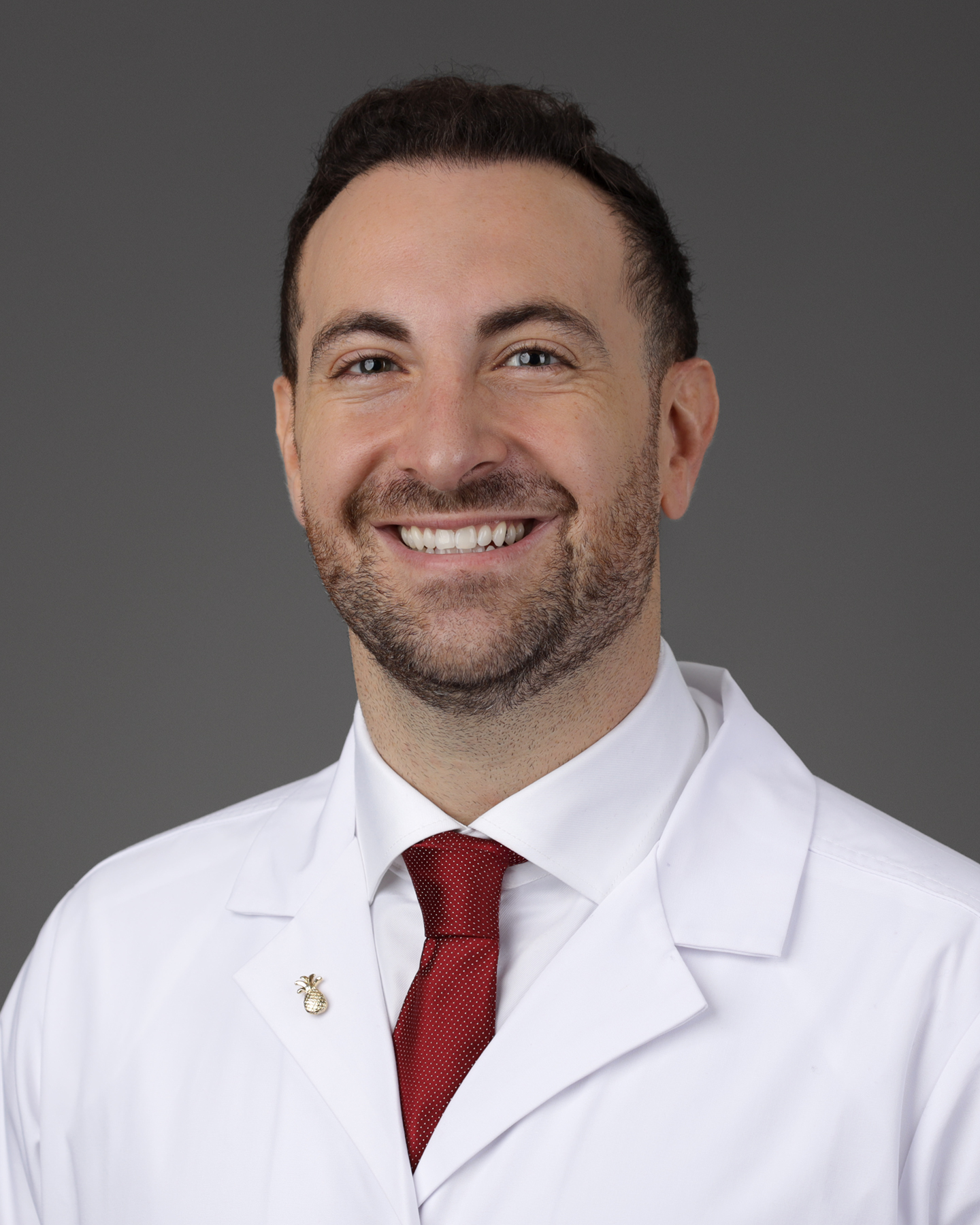
Justin Dubin, M.D
Urologist Justin Dubin, M.D., director of Men’s Sexual Health at Baptist Health Miami Cancer Institute, emphasizes that fighting cancer and preserving fertility are not mutually exclusive. By implementing structured interdisciplinary collaboration and utilizing evidence-based protocols, healthcare professionals can transform patient care by ensuring that patients are not just living longer but also living better.
Dr. Dubin outlines the essential protocols for assessing infertility risk, initiating early interventions and managing the long-term sexual health of male cancer survivors.
Stratifying Infertility Risk and Early Intervention
When it comes to fertility preservation, time is the most critical factor.
“The earlier clinical teams address reproductive health, the more options patients have before starting gonadotoxic therapies,” says Dr. Dubin. “Oncologists must address with their patients the specific fertility risks associated with various chemotherapy regimens, radiation fields and immunotherapy protocols and make sure that their patients’ future family planning goals are managed prior to starting these therapies.”
“The earlier clinical teams address reproductive health, the more options patients have before starting gonadotoxic therapies,” says Dr. Dubin. “Oncologists must evaluate the specific risks associated with various chemotherapy regimens, radiation fields and immunotherapy protocols.”
To ensure no patient misses the critical window for fertility preservation, oncology workflows must systematically incorporate reproductive health assessments. Clinical teams can elevate their practice by integrating the following steps:
- Ask every male patient about his desire for future family planning during the initial consultation.
- Add a specific prompt regarding fertility goals to all patient intake forms.
- Refer patients to a reproductive specialist immediately upon identifying family planning desires.
“Providing patients with ample time before treatment begins allows them to process their diagnosis and make informed decisions regarding their reproductive future. A simple intake question serves as a powerful catalyst for comprehensive patient care,” Dr. Dubin states.
Sperm Banking as the Primary Strategy
Despite rapid advancements in reproductive medicine, sperm banking remains the single most important method to ensure male patients can achieve their family planning goals. Healthcare facilities must offer all men the opportunity to bank sperm prior to initiating cancer treatments.
According to Dr. Dubin, institutions that prioritize early sperm banking see improved patient satisfaction scores and better long-term psychological outcomes. By securing cryopreserved samples before exposure to systemic therapies, clinicians provide a reliable foundation for future assisted reproductive technologies.
Navigating Post-Treatment Fertility Options
While pre-treatment sperm banking is the gold standard, many patients miss this opportunity due to the urgency of their cancer diagnosis or a lack of proper referral. Fortunately, interdisciplinary success in reproductive endocrinology and urology provides options for men who did not preserve their fertility beforehand.
Advanced clinical practices offer hope for cancer survivors dealing with severe oligozoospermia or azoospermia. Key developments include:
- Sophisticated sperm retrieval techniques that extract viable spermatozoa directly from testicular tissue.
- Advances in in vitro fertilization (IVF) protocols tailored to complex male infertility cases.
- Intracytoplasmic sperm injection (ICSI), which requires only a single viable sperm to fertilize an oocyte.
Through these medical technology innovations, specialists can often assist men with extremely low sperm counts in fathering biological children.
Managing Hypogonadism Without Compromising Fertility
Cancer survivors frequently experience hypogonadism, which presents significant clinical challenges when balancing symptom management with fertility goals. A common pitfall in post-cancer care, says Dr. Dubin, is the immediate prescription of traditional testosterone replacement therapy (TRT) for men experiencing low testosterone.
“It’s vital for clinicians to understand that standard TRT suppresses the hypothalamic-pituitary-gonadal axis, thereby causing infertility. Men who desire future biological children must avoid traditional TRT,” Dr. Dubin cautions.
To support quality outcomes, clinical teams should utilize alternative endocrine therapies that stimulate endogenous testosterone production without halting spermatogenesis. Managing these complex cases requires precision. Patients with concurrent low testosterone and fertility concerns should be referred to a men’s health specialist. Proper medical management allows these men to experience symptom relief while preserving their reproductive capabilities.
Establishing Long-Term Survivorship Protocols
The cancer journey extends far beyond the final treatment session. Male cancer survivors face a higher lifetime risk for sexual health issues, hypogonadism and persistent infertility. Establishing long-term survivorship protocols is necessary to monitor and manage these ongoing challenges.
“Clinical guidelines dictate specific timelines for post-treatment family planning. Physicians should counsel all men to wait at least one year after the completion of chemotherapy, radiation or immunotherapy before attempting to conceive,” Dr. Dubin advises. This waiting period allows for the clearance of potentially damaged gametes and the recovery of basal spermatogenesis.
However, patients do not need to wait one year to optimize their overall wellness, he adds. Early establishment of care with a sexual health specialist provides several benefits:
- Facilitates proactive management of erectile dysfunction and ejaculatory disorders.
- Builds a strong rapport between the patient and the interdisciplinary care team.
- Ensures timely hormonal assessments and interventions.
Overcoming Barriers in Oncology Workflows
The primary barrier to comprehensive fertility care is often the intense focus on immediate disease eradication.
“Understandably, oncologists prioritize saving lives,” says Dr. Dubin. “However, modern medicine allows practitioners to look beyond survival rates and focus on the holistic well-being of the patient.”
Treatments often compromise a patient’s sexual health, creating a heavy burden during survivorship. Oncologists can bridge this gap simply by asking patients about their fertility goals and initiating a timely referral. Addressing these concerns does not delay necessary cancer treatments when workflows are properly optimized.
By integrating these evidence-based strategies into daily practice, healthcare professionals empower their decisions and profoundly impact the lives of cancer survivors. One question and one referral can preserve a patient’s dream of building a family after cancer.
