
Complex Hematologic Malignancy Management in a TP53-Mutated Patient: Balancing Disease Control and Quality of Life

A 75-year-old woman with no significant prior smoking or alcohol history and a previously high functional status was initially diagnosed with lung cancer in 2022. Her course became significantly more complex in 2025, when she presented at Baptist Health Miami Cancer Institute with dyspnea and was subsequently diagnosed with concurrent acute myeloid leukemia (AML) and myelodysplastic syndrome (MDS).
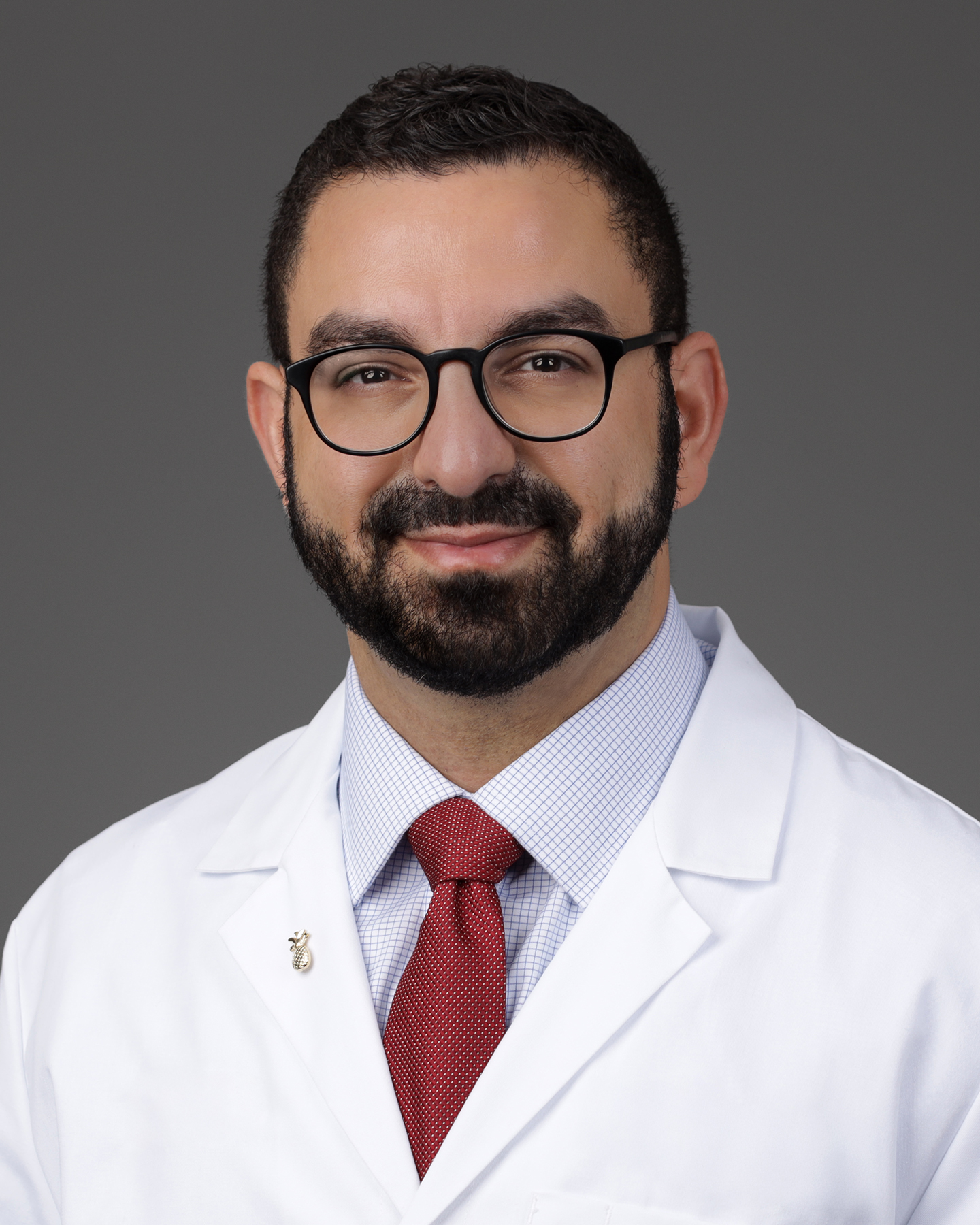
Firas El Chaer, M.D.,
Cytogenetic and molecular testing revealed a complex karyotype and a TP53 mutation, placing her disease in an adverse-risk category. TP53 mutations are well established as a marker of poor prognosis in both AML and MDS, and associated with genomic instability, resistance to conventional cytotoxic chemotherapy and inferior overall survival. In this context, treatment decisions required careful consideration of both disease biology and patient-specific factors.
Diagnostic and Therapeutic Challenges
This case illustrates several overlapping complexities:
- Therapy-related disease risk: The patient’s prior exposure to chemotherapy for lung cancer raised the possibility of therapy-related myeloid neoplasms, which are frequently associated with TP53 alterations and poor outcomes.
- Concurrent AML and MDS: The coexistence of both conditions complicates classification and management, as treatment must address both acute disease burden and underlying marrow dysfunction.
- TP53 mutation: This mutation significantly limits responsiveness to standard induction regimens and reduces the likelihood of durable remission.
- Transplant ineligibility: Given the TP53 mutation, her age, and overall clinical context, allogeneic hematopoietic stem cell transplantation—typically the only potentially curative option—was not considered viable.
Initial Management
The patient was admitted in a clinically unstable condition and initiated on induction chemotherapy under the care of Firas El Chaer, M.D., chief of leukemia at Miami Cancer Institute. Her hospital course was prolonged (approximately 30 days) and complicated by expected toxicities, including infections, bleeding and febrile episodes — highlighting the narrow therapeutic window in older patients undergoing intensive treatment.
Despite adverse-risk disease, her disease achieved a remission following induction therapy. While remission rates in TP53-mutated AML are generally lower and less durable, this response underscores the heterogeneity of treatment outcomes even within high-risk molecular subgroups.
Transition to Disease Control Strategy
Given the underlying MDS, TP53 mutation, and transplant ineligibility, the overall treatment paradigm shifted from curative intent to disease control. Both AML (despite remission) and MDS were considered incurable in this context.
Management priorities included:
- Prolonging survival
- Minimizing treatment-related toxicity
- Preserving functional status and quality of life
The patient was transitioned to lower-intensity, targeted oral therapies administered in the outpatient setting. The availability of oral agents that target specific molecular pathways has significantly expanded treatment options for older or frail patients, allowing for disease suppression without the morbidity associated with repeated hospitalizations or intensive intravenous regimens.
In this case, oral therapy enabled the patient to maintain independence and reduce healthcare utilization, aligning treatment intensity with her goals of care.
Broader Clinical Considerations
This case highlights several important themes relevant to contemporary hematologic oncology:
- Risk stratification is central to decision-making. Molecular features such as TP53 mutation often outweigh traditional clinical factors in guiding prognosis and therapy selection.
- Curative vs. non-curative intent must be reassessed dynamically. Even after achieving remission, the presence of high-risk features may necessitate a pivot toward disease-control strategies.
- Advances in targeted and lower-intensity therapies are reshaping care. These approaches are particularly valuable in older populations, where treatment tolerance is a critical constraint.
- Quality of life is a primary endpoint. In patients with incurable disease, therapeutic success is increasingly defined not only by survival duration but by preservation of function and autonomy.
The Role of Psychosocial Factors in Outcomes
While clinical expertise, molecular diagnostics, and therapeutic advances are central to management, this case also underscores the impact of non-biologic factors on patient outcomes.
The patient demonstrated high treatment adherence, resilience, and sustained engagement with care, supported by a strong family network and personal faith. Her daughter, a physician, served as an active advocate, facilitating communication and shared decision-making.
These elements—social support, psychological resilience, and meaning-making—are increasingly recognized as contributors to improved tolerance of therapy, better adherence, and, in some cases, improved clinical outcomes.
Conclusion
This case illustrates the complexity of managing concurrent AML and MDS in the setting of TP53 mutation, where prognosis is poor and curative options are limited. It also highlights the importance of individualized care strategies that integrate molecular risk, patient preferences and functional status.
Although the patient’s disease remains incurable, a combination of effective induction therapy and ongoing oral treatment has enabled meaningful extension of survival with preserved quality of life.
Equally important, this case serves as a reminder that optimal cancer care extends beyond pharmacologic intervention—encompassing psychosocial support, patient motivation and the broader context of each individual’s life.
