
Managing High-Risk Pulmonary Embolism With Clot in Transit: A Multidisciplinary Approach

A dental hygienist since graduating in 1973, she continues to work part-time because she loves her profession and the opportunity it gives her to help people. Away from work, the West Miami-Dade resident enjoys gardening, cooking, sewing and spending time with her three daughters, as well as the dog, cat and birds that share her home and garden.
“I like being active,” Ms. Castillo says. “Most of all, I love helping people.”
She had also always considered herself remarkably healthy. Other than well-controlled high blood pressure, she rarely became ill. That changed suddenly after she developed influenza A in January.
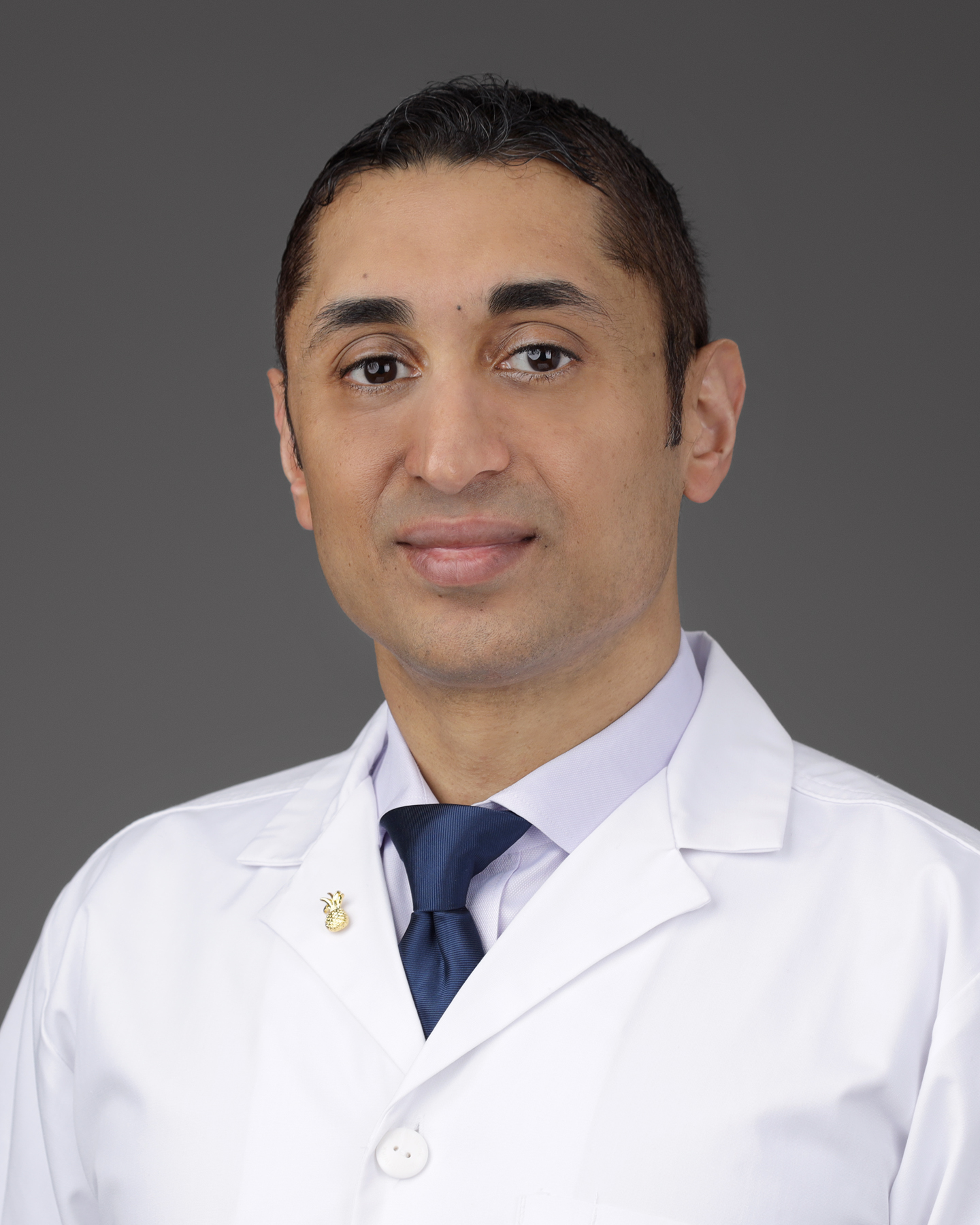
Ripal Tarun Gandhi, M.D
A Life-Threatening Pulmonary Embolism
What initially seemed like an ordinary respiratory illness progressed into a life-threatening pulmonary embolism. Ms. Castillo arrived at Baptist Health Baptist Hospital’s Emergency Department with severe shortness of breath, a racing heartbeat and blood clots obstructing blood flow through both lungs. An additional clot was sitting inside her heart, creating the possibility that she could suffer cardiac arrest without warning.
Her survival would depend not only on removing the clots quickly, but also on extensive preparation and collaboration among specialists at Baptist Health Miami Cardiac & Vascular Institute.
Ripal Tarun Gandhi, M.D., vascular interventional radiologist and interventional oncologist with Baptist Health Heart & Vascular Care at Baptist Health Miami Cardiac & Vascular Institute and Herbert Wertheim Cancer Institute, and co-director of the Pulmonary Embolism Response Team at Baptist Health, would perform the clot-removal procedure.
Because of the severity and unusual complexity of Ms. Castillo’s condition, he asked cardiac surgeon Tom C. Nguyen, M.D., and the extracorporeal membrane oxygenation (ECMO) team to be inside the operating room, standing ready to intervene immediately if her heart or lungs failed during the procedure.
Dr. Nguyen is system chief executive of Baptist Health Heart & Vascular Care and chief medical executive of Miami Cardiac & Vascular Institute, where he also serves as director of minimally invasive surgery and the Barry T. Katzen Endowed Chair. He also is chair and professor of the Department of Cardiovascular Sciences at Florida International University Herbert Wertheim College of Medicine. He immediately activated the Institute’s ECMO team for Ms. Castillo’s surgery.
Preparing ECMO as a Lifesaving Safety Net
ECMO is a form of temporary mechanical support that can perform essential work normally handled by the heart and lungs. Blood is removed from the body through a large tube called a cannula, circulated through a machine that adds oxygen and removes carbon dioxide, and then returned to the bloodstream.
“During the process of removing large clots from the lungs, there is a possibility that the patient could become very unstable,” Dr. Nguyen says. “My role was to be available to place her on ECMO if that happened.”
He describes ECMO as “a safety net” that allows multidisciplinary teams to treat exceptionally ill patients who might otherwise have few options.
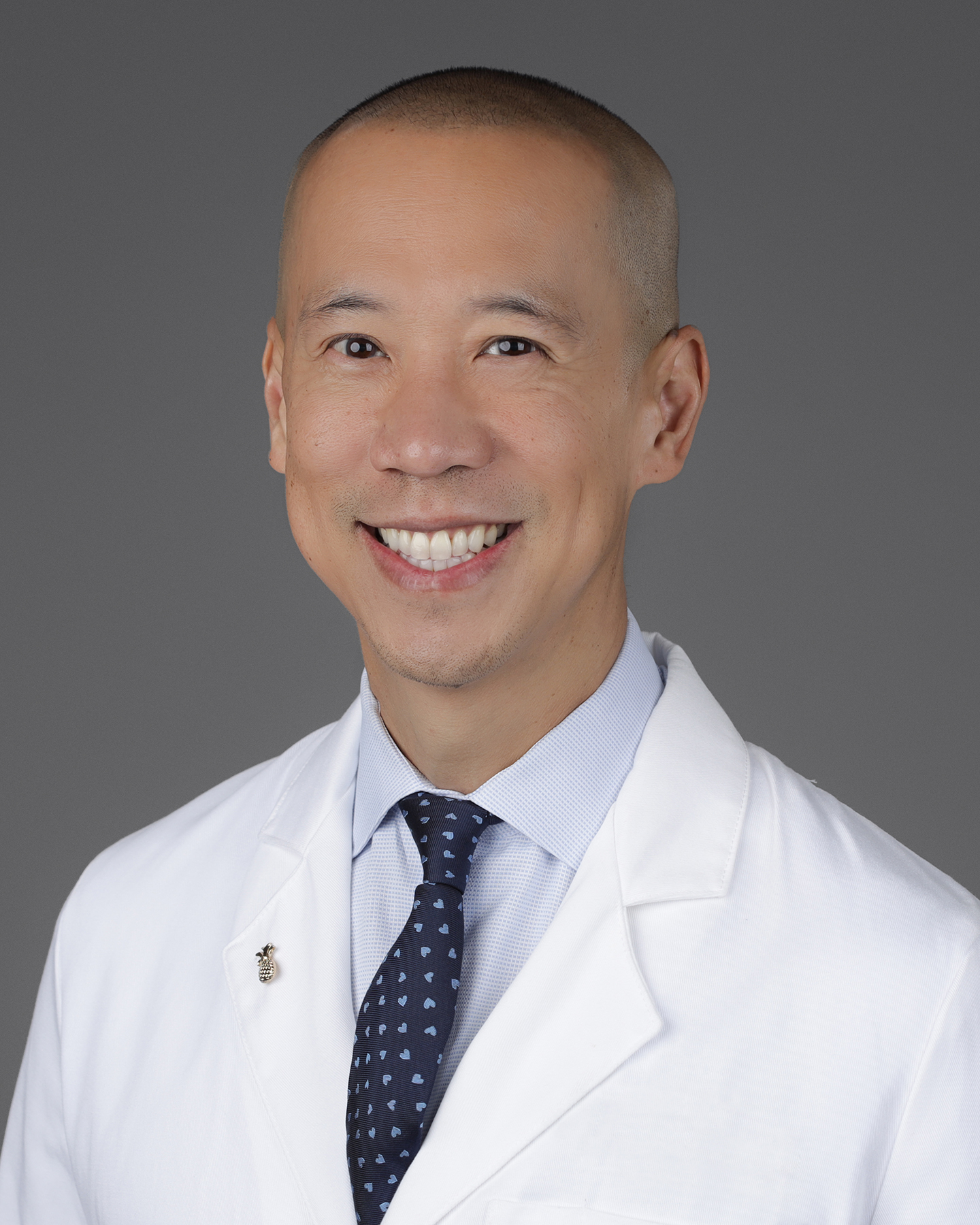
Tom C. Nguyen, M.D.
“Fortunately, ECMO is not required very often during complex procedures, but that does not mean it is not necessary,” Dr. Nguyen says. “When it is needed, it can be lifesaving.”
If Ms. Castillo’s blood pressure or oxygen level collapsed during surgery, ECMO could temporarily support her circulation and oxygenation while Dr. Gandhi completed the procedure.
Having a back-up plan was crucial, says Dr. Gandhi.
“One of the things I always tell our trainees is that if you are not thinking about ECMO, by the time you think you need it, it is too late. You have to think about it ahead of time.”
Fortunately, that backup plan ultimately was not needed in Ms. Castillo’s case. But for both physicians, preparing for the worst was essential to achieving the best possible outcome.
Ms. Castillo’s illness began with coughing and fatigue. She initially believed she was getting better, but her condition soon took a concerning turn.
"My heart started beating very fast, and I couldn't breathe," she says.
The danger became especially apparent whenever she tried to move. Although she felt relatively comfortable lying in bed, even walking to the bathroom left her exhausted and lightheaded.
“It reached the point where I went to the bathroom and, by the time I got back to bed, I felt like I was going to faint,” she says. “I knew something was not right.”
Ms. Castillo asked one of her daughters to drive her to Baptist Hospital. Walking from the parking lot to the Emergency Department was nearly more than she could manage.
"I couldn't breathe," she recalls.
Her symptoms—severe shortness of breath, chest discomfort, a rapid heart rate and a near-fainting episode—can occur with several medical conditions. Testing, however, revealed a large pulmonary embolism.
What is a Pulmonary Embolism?
A pulmonary embolism is a blood clot lodged in one or more of the pulmonary arteries, the blood vessels that carry blood from the heart to the lungs.
According to Dr. Gandhi, the clot commonly begins in a deep vein of the leg, a condition known as deep vein thrombosis, or DVT. Part of it may break loose, travel through the bloodstream and pass through the right side of the heart before becoming trapped in an artery leading to the lungs.
Once there, the clot can prevent blood from reaching areas of the lungs where it would normally receive the oxygen it then transports to the rest of the body. A large obstruction also forces the right side of the heart to work much harder to push blood through the blocked pulmonary circulation.
“A pulmonary embolism is simply a blood clot in the arteries that feed the lungs,” Dr. Gandhi explains. “In a situation like Ms. Castillo’s, involving a very significant pulmonary embolism, there was significant risk of cardiopulmonary compromise.”
Recognizing Symptoms of a Pulmonary Embolism
Symptoms may include sudden or unexplained shortness of breath, chest pain, a rapid heartbeat, fatigue, fainting or difficulty completing activities that would normally be manageable. A clot in the leg may also cause swelling, pain, tenderness or discoloration.
Because these symptoms may resemble those of other heart or lung conditions, patients may not immediately recognize the danger. Ms. Castillo had heard of pulmonary embolism but did not know what the symptoms were.
"I had never had a blood clot," she says. "I didn't know what a blood clot felt like."
According to Dr. Nguyen, pulmonary embolisms vary greatly in severity. Some are small and can be managed with anticoagulant medication. Others can abruptly obstruct circulation, cause blood pressure to collapse and lead to cardiac arrest.
“In medicine, there are only a handful of conditions that can kill a patient very quickly,” Dr. Nguyen says. “A pulmonary embolism is one of them.”
A Large Clot Blocking Both Lungs
A CT pulmonary angiogram showed that Ms. Castillo had a very large saddle pulmonary embolism. The clot extended into the arteries supplying both lungs and was placing considerable strain on her heart. As a result, her breathing and heart rates were elevated, and her oxygen level was low.
"Her heart was really struggling to get blood to her lungs," Dr. Gandhi affirms.
An echocardiogram uncovered an additional and particularly dangerous finding: a “clot in transit” inside Ms. Castillo’s heart. The term describes a clot that has traveled from elsewhere in the body and is temporarily lodged in the heart on its way toward the pulmonary arteries.
If it broke loose and joined the already extensive obstruction in her lungs, she could suffer sudden cardiac arrest.
“She already had so much clot in her lungs,” Dr. Gandhi notes. “If the clot in her heart had broken off, it could have resulted in a fatal event.”
In addition to securing Dr. Nguyen and the ECMO team, Dr. Gandhi also had his Pulmonary Embolism Response Team (PERT) on alert. This multidisciplinary group of specialists, which includes interventional radiologists, cardiologists, pulmonologists and cardiac surgeons, is able to rapidly assess complex pulmonary embolisms and determine the safest treatment.
Dr. Gandhi believed Ms. Castillo needed an urgent aspiration thrombectomy—a minimally invasive procedure using a catheter and powerful suction to extract the clots. But manipulating the clot inside her heart carried an extraordinary risk.
“My concern was that while trying to treat the pulmonary embolism, we could lose that clot into the lungs,” he says. “The patient might die right there on the table before we could even treat her pulmonary embolism.”
Removing Clots from the Heart
Before the procedure, Dr. Gandhi explained the plan to Ms. Castillo step by step.
“He put me at ease and explained everything,” she says. “He reassured me that everything was going to be fine, which helps a patient.”
Using imaging guidance, Dr. Gandhi advanced a catheter through the blood vessels and into the heart. The thrombectomy device functions much like an extremely powerful vacuum, aspirating clot through the catheter and out of the body.
He first targeted the clot in transit inside Ms. Castillo’s heart. After removing most of it, he guided the device into the pulmonary arteries and extracted a large volume of clot from both lungs.
Then came a critical moment: Ms. Castillo suddenly lost consciousness and her blood pressure dropped.
The ECMO team was prepared to act, but Dr. Gandhi immediately removed a large amount of clot, and her condition stabilized before ECMO became necessary.
The entire procedure took approximately an hour. By its conclusion, Ms. Castillo’s previously abnormal vital signs had essentially normalized.
“This was someone who was really on death’s door,” Dr. Gandhi says. “To take her from that condition to essentially normal vital signs after the procedure was quite remarkable.”
Ms. Castillo noticed the difference as soon as the clots were removed.
"I immediately felt relief in my lungs," she says. "I could breathe very easily."
Ms. Castillo noticed the difference as soon as the clots were removed.
“I immediately felt relief in my lungs,” she says. “I could breathe very easily.”
Dr. Gandhi showed her some of the material removed during the thrombectomy, including the clot that had been near her heart and the numerous clots extracted from her lungs.
"There were a lot of them," she says. "They looked like bacon. I said, 'Oh my God, it looks like bacon."
Following her surgery, Ms. Castillo spent time in the intensive care unit, where she says the nurses provided “exceptional support.” She was also treated for a drug-resistant urinary tract infection identified during her hospitalization.
After returning home, she gradually rebuilt her strength and resumed the activities she enjoys. She says she is cooking and gardening again and has returned to her dental hygiene work on a part-time basis.
“I feel like I have recovered, and I’m getting back to my normal life,” she says with a smile. “I appreciate life more now than ever, and I want to share it with my family.”
Preparation and Collaboration Behind the Outcome
For Drs. Gandhi and Nguyen, Ms. Castillo’s recovery demonstrates why caring for a severe pulmonary embolism requires both specialized technical expertise and close collaboration among multiple disciplines.
Dr. Gandhi had the technology and experience needed to remove the clots through a minimally invasive procedure. Dr. Nguyen and the ECMO team brought the ability to support Ms. Castillo’s heart and lungs within minutes if her condition deteriorated during surgery.
Together, their preparation allowed everyone in the room to focus on the procedure while knowing that a rescue strategy was immediately available.
“At Miami Cardiac & Vascular Institute, we believe that bringing together multiple specialties and leveraging each other’s expertise improves patient care,” Dr. Nguyen says. “Our goal is to help patients recover, return to their families and friends and have a normal life again."
Ms. Castillo believes that is precisely what the team gave back to her.
“I’m very thankful that I’m still here,” she says. “I’m also very thankful that God placed excellent doctors in my path.”
Now, as she returns to her patients, family, pets and garden, she hopes others will learn from her experience and seek medical attention for sudden shortness of breath, chest pain, fainting or other unexplained symptoms.
“I almost died, and now I look forward to enjoying my life because I feel great,” she says, beaming. “I’m here, and I feel very grateful that I’m alive.”
Click here for more information about the services and specialists available at Baptist Health Miami Cardiac & Vascular Institute.
