Previously Recorded: I nnovative Nonsurgical Treatments for Chronic Tendinopathy Live Webinar for Clinicians
Monday, August 17, 2026
Chronic tendon injuries can be challenging to manage, particularly when patients fail to improve with conservative treatment. Join Baptist Health Miami Neuroscience Institute experts for a live educational webinar exploring two innovative, minimally invasive treatment options that can help reduce pain, restore function and potentially help patients avoid surgery.
Physical Medicine & Rehabilitation physicians
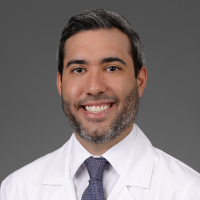
Raul Rosario-Concepcion, M.D. and
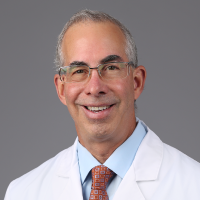
Ronald Tolchin, D.O. will discuss the clinical applications of
Focused Extracorporeal Shockwave Therapy (F-ESWT) and the
Percutaneous Ultrasonic Tenotomy , including patient selection, treatment protocols, expected outcomes and referral considerations.
Whether caring for athletes, active adults or patients with chronic musculoskeletal conditions, attendees will gain practical insights into incorporating these advanced therapies into the continuum of care.
Learning Objectives At the conclusion of this webinar, participants will be able to:
Differentiate the indications and clinical applications of F-ESWT and the Percutaneous Ultrasonic Tenotomy procedure
Identify appropriate patients with chronic tendinopathy who may benefit from these nonsurgical treatment options
Understand how each procedure fits within conservative, regenerative and surgical treatment pathways
Review expected outcomes, recovery timelines and referral considerations
Featured Faculty
Chief, Nonsurgical Spine Care and Rehabilitation
Kalman Bass Endowed Chair in Pain and Rehabilitative Medicine
Baptist Health Brain & Spine Care
Welcome, everyone. I'm Doctor Ronald Tolchin. I'm the chief of Physical medicine and rehabilitation Baptist Health South Florida and assistant chief for physical medicine and rehab throughout the entire Baptist system. I'm very honored today to have, here is my guest and my partner, Doctor Raul Rosario Concepcion, who uh has expertise uh in this topic that we're going to review today, which is the innovative non-surgical treatment for chronic tendinopathy. Doctor uh Raul Rosario comes to us from initially University of Puerto Rico, where he completed his residency in physical medicine and rehabilitation. And then from there, he went to the Mayo Clinic in Jacksonville, where he did a, a fellowship in sports and musculoskeletal, um, um, musculoskeletal, um, conditions. He is one of the leaders in the country, if not the world, in ultrasound-guided injection and diagnostics. And he's going to talk to you about some innovative, uh, techniques for discussing tendonopathies today. So we're really happy to have him. He did his primary care sports medicine fellowship, as I mentioned at Mayo Clinic, and is double board certified in, um, rehab medicine, uh, musculoskeletal medicine. And physical medicine and rehabilitation. So welcome, Doctor Rosario Concepcion. We're, we're, we're just so delighted to have you here today. Thank you. I appreciate the, the invitation and very excited to talk about one of my favorite topics, which is staninopathy. So, in terms of, of the conversation and the, and the presentation that we're going to be talking about today, I always like to establish like a game plan and basically what we're going to be talking about is the pathophysiology of tendinopathy, which is going to be important to understand the treatment of tendinopathy. Review how spores or musculoskeletal ultrasound can be a big part of the treatment of tendinopathy, and then the chunk of the presentation is going to be more in the different treatment options that we have for tendinopathy. So, the first thing that I, I always try to bring is like, how do I talk to patients to explain what is tendinopathy and I tell patients that the tendon is like a rope that connects the muscle to the bone. And when you have tendinopathy, basically what we're dealing with is a little bit of fraying of those fibers and you, you have a replacement of the collagen type 1 to collagen type 3, which is like a weaker uh fiber. And you start developing this process, and what happened is that the tendon gets injured, but then the body fails to kind of heal completely the tissue and the tendon, and it becomes this kind of chronic problem that is affecting the tissue. Yeah, I love this wire analogy here to show you that a fraying of the tendon, but not a complete rupture in most cases. Correct, exactly. And sometimes you can have a partial tear, you can have a full thickness tear, which is a different story. Uh, but definitely I think this is uh something initial that I bring to the patient to for them to understand their condition so they can understand the treatment plan and why this takes so much time to, to heal and to, to recover because patients sometimes are impatient uh in terms of they want a quick fix. Um, so in terms of the diagnosis of tendinopathy, it's a clinical diagnosis. We, of course, do a good history of physical examination. In most cases, that's enough. Sometimes we order imaging like the X-rays to rule out other things, and then MRI has been the gold standard to try to kind of see the soft tissue and the tendons, but more recently in the last 10 to 20 years, the musculoskeletal ultrasound with the Uh, updates in the image's quality has provided very good image into the tendon, and in my clinic and, and, and specialists like me, we use the ultrasound for diagnosis a lot, even more than MRIs in some cases. So you're eliminating the time to wait to get an MRI. Plus this is now becoming the gold standard for tendinopathy, right? Yeah, the quality is so good and with your skills you can just put it right there. I can be an extender of the physical examination in some cases. It can help you make decisions because for example you have a full tear of the tendon then the treatment is different. We're talking maybe surgical evaluation versus, hey, let's start with therapy and conservative treatment right there in that right then in that visit they don't have to wait exactly perfect. So, another important thing that diagnostic musculosketal ultrasound can have, uh, number one, the high resolution superficial structure is very high. We can see every single fibers there. In MRI usually we see like a black kind of tendon. In the ultrasound, we see the fibers. We can compare with the other side, which is beneficial in most cases. We can do some dynamic assessment and evaluation. So if the patient feels some snapping or, or clicking, sometimes we can identify that. We can see if there's any neovascularization, which is uh when you have tendinopathy, that's an additional utility in terms of diagnosing that problem. It doesn't have a lot of contraindication because it doesn't use radiation. It's safe for pregnancies, uh, it's safe for pacemakers, so there's no problem with that. And now it can be very mobile and portable, uh, so now there's some, some small versions that you can connect to your iPad or cell phone and take it with teams. So when I travel with teams, we take it in the training room and then we can make assessment right there in the tournament. Yeah, in the bottom right you show that portable. One that hooks right up to the cell phone or a tablet. So, so ultrasound has been very effective, and this is just an example, not to dive too much into this, but you can see the gap in the tendon when you have full thickness there, and you can see that very clearly with ultrasound, and I can create like a good assessment. And in my case, I can prepare even like a report in that case of, of diagnostic ultrasound to try to kind of describe what we're finding. So that looks like a radiographic report essentially correct. And then the idea in terms of, of some of us have additional training and, and some certification. I have the RMSK certification. That we can provide, provide like a a diagnostic report for for the problem and what's nice in this case is that your clinical interpretation then meets your diagnostic radiographic correct because I have both information at the same time that I can apply in the in the report, right. So now let's, let's dive into kind of the main treatment and the main focus of the presentation which is the management of tendinopathy and And, and this has been the problem for years of tinopathy that there has been like a big treatment gap in terms of uh how to treat this. And we have the conservative option that most of us know like the NSAIDs, the REPS, the rest, the physical therapy and sometimes the steroid injection. And if that didn't work, we kind of jump and, and try to consult like our surgical partners to see what options do we have from a surgical perspective. But it seems that there's a gray area in between that, that, that we need to try to figure out what is going to be our best option, and that's what we're going to be talking about, right? And this webinar is really going to show you how to fill in that gap fully. All right. That's where I live. I live in that gap. So like kind of just jumpstarting to those options. And one of the things that I always emphasize is that with all these treatment options, what we're trying to do is try to restart that healing cascade and healing process of the tendon. Like I said, the tendon tried to heal, it didn't do a good job, it fell, and then it stopped. So, we're trying to restart that process to kind of uh promote that healing uh process of the body. And I bring this because we always have a bunch of tools in our toolbox. So that means that there's not a single tool that works on everybody. Sometimes we have to combine different tools and, and try different things to try to help the patient, uh, and the patient has to understand that process. So, in terms of talking about the classic tool bus, I kind of divided in conservative treatment, non-invasive treatment, ultrasound-guided procedures, and surgery. And these are the classic options that, that we kind of think when we're dealing with tendinopathy, but I try to kind of talk to you a bit of more options and more tools that are available that some of us have some training in terms of offering this option to the patient. So let's go through the list of these options, OK? And the first one that I want to talk about is education because I feel that this is extremely important to help the patient buy into the treatment program. Because the patient needs to understand that this is a long trajectory, it's not going to get better until 3 to maybe 6 months after. Because we have to heal the tissue and go through the tissue process, so it's not a quick fix. So most patients come to the office asking for like, can I kind of get some pain relief for tomorrow. So once you educate the patient about why it needs to take this much of a time, they're more willing to buy into the process. I think that's the key is education of the patient. If they don't get educated, they don't know what to expect, and then. They're antsy and they want to, why, why isn't it better in a week? Why isn't it better in 10 days? But if you educate them and take the time, which is really the balance in any visit, is how much time can you afford to educate in this, in this type of case, it's crucial. Yeah, it's crucial. And, and when I have my tendinopathy case, it usually takes me more time than than my arthritic patient, right, uh, because I feel that the education is a key part of their treatment. And the other option is relative rest, right? Activity modification. It's not fully rest, it's not like you have to be in bed all the time, but we need to kind of limit the volume and the intensity of the loads because this is an overused problem. The tendon got overloaded. Usually, it's because you introduce a new activity. If you start playing tennis a couple of months ago and your technique is not good, right, you're overloading the tendon, and that's the reason. So I try to kind of limit that level of activity, or you went from 0 to 60 and you were doing nothing and now you're playing 6 days a week of pickleball or tennis, right? So it's either overuse or misuse or a combination of the two. And so we need to evaluate your training program, your technique, for example, you're playing tennis and you're using your wrist a lot. That's why you have tennis elbow instead of using your body. So those are the things that we don't, uh, correct that is keep coming back. Even string tension is a factor there, correct, decreasing the, the tension of the string, increasing the the grip, uh, of the racket, all those things are, are important. But now this, the disadvantage with this, it takes time. It takes time to go through the process and patients are impatience. So we have to kind of usually combine this with something else, and that's where rehabilitation and physical therapy is the key component here. The idea of this is start progressively loading the tendons slowly, so we start creating these kind of changes in the fibers to build strength. It's like going to the gym. You go to the gym, you break fibers, that's why you're sore a couple of days later, but then the body starts getting used to it and start putting stronger fibers in the muscle and the tendon, and that's what we're trying to do to try to force the body to put new fibers in that area. So it's really important to understand who your therapists are and to. Work with people that really know your philosophy on this so that you can get the best outcome for patients. Yeah, and I feel that PT and rehabilitation and strengthening and eccentric exercise is the key of the treatment. Everything else that we're going to talk about is just an adjuvant to the rehab and to the strengthening. So I try to explain this to the patient because they need to understand that even if we do all these other things, they need to focus in the strengthening program. And that's where the eccentric traditionally has been like the best kind of exercise eventually to progress into treating tendinopathy because you start loading the tendon and you can kind of result in production of type one collagen, which is what we want. And now we're going to start probably slow, maybe we are not going to start with eccentric, but we're going to do a progressive loading incorporating eccentric exercise eventually. So, talking about different things also in, in the toolbox, non-invasive treatment, we have NSAIDs, right? NSAIDs, uh, we try to manage the pain with this medication very commonly. Uh, it can help in the short term to control the pain. It's not actually creating any improvement in the fibers, so if we don't do anything else, it's not going to heal the tendon and there's some study actually that NSAIDs can negatively impact the tendon healing. So we have to kind of be careful, yeah, I do, and we do. And also for elderly patients that have higher risk factors of GI bleeds and renal insufficiency, that's really paramount. Correct. Exactly. So, so that brings to the all the side effects. So we have to be a little bit more careful. I think it has a role to maybe do a short term of NSAIDs to control the pain so they can do therapy. I think that, that can be a good initial plan, but it should not be the basic of the treatment option, right. Then we have another medication that is called topical nitroglycerin, which there's some study actually that if you put it around the tendon, it can convert into bioactive nitric oxide and then it can start a synthesis of tenocytes and collagen. Uh, the dose that I use is 1.25 mg per 24 hours, so that would be like 0.1 mg. For an hour, 12 hours on, 12 hours off. So I tell patients to put it at night and remove it in the morning. There's two systematic reviews that concluded that there's evidence to support the use, but one recent meta analysis says that it was no more effective. In my experience, uh, when patients can tolerate this, they tend to do pretty well, but the problem is the side effects here. Uh, headaches. It is very commonly seen. Um, it can cause also some rash and facial flushing, and we have to be careful in erectile dysfunction medications and headache disorders. So you need to warn the patient that this is a possibility. Again, a little more difficult in elderly patients that might have these side effects and be concerned about these side effects as well. Yeah, so I feel that 90% develop headaches. So that's why. Patient cannot tolerate it and that's why probably we don't use it more as an option, but that brings me to a, a more exciting option that we're using in our office, which is the extracorporeal shock wave therapy, and these are basically a non-invasive treatment that stimulates the body's natural healing response by creating this kind of mechanical disruption, this mech uh signal, mechanical signal to create this biochemical signal to kind of promote that healing of the tendon. Very good evidence for plantar fasciopathy, common. And tendinopathy, retrochanteric pain syndrome, a calcific rotator cuff tendinopathy, and it has very minimal side effects. Uh, it might include a little pain because this option is very painful during the treatment and we're going to talk a little bit about it, but there's not a lot of side effects, so it's a very exciting option that we're offering recently. So, one of the things that I, I want to make sure that we distinguish is the difference between radial pressure wave and the focused shock wave. The radio pressure wave is not actually a true shock wave even though uh some people call it like a shock wave machine, um, but this is actually working in a different way. It, it's a pressurized burst of air that propels a metal projectile and create this kind of wave that is more of a pressure and it stays very superficial in terms of the energy in that area. The focused shock wave, which is the one that we have in our office, there's different kinds of ways that you can create a focused shock wave, and the electrohydraulic, electromagnetic, and piezoelectric devices. The one that we have is the electromagnetic and basically it's trying to focus the energy into a a specific depth to create this disruption and most of the articles have very positive results with the focused shock wave. But even the radio can help in, in, in, in, in superficial structures. So it's something that sometimes we can even combine in the same business. So you're gonna show actually the mechanics of that and um on, on another slide, but I wanted to point out the radio pressure wave, uh, a lot of clinics advertise that they have shock wave therapy and what they really have is. The radial, uh, pressure wave and you can get that at chiropractic clinics and different clinics. It's all over the internet, in fact, yeah, a lot of PTs have it and again it, it can, it, it has a big role also in the treatment. Uh, it can still be an adjuvant of the process, um, but in my experience the focused shock wave is that one actually that we're kind of for tendons. Especially, uh, is that they are more beneficial, and there's a huge price point difference between these two. We have the focus shock wave. It's much more costly, but it's much more effective for what you'll see and some, some physicians are using both in the clinic at the same time. The, the pressure wave more for the muscle and then the tendon, they do more of the focus. So the idea of, of, uh, and this, and this is the difference in terms of energy. The, the pressure that the focus can create is very high, but also it creates this negative pressure that creates this cavitation that, that actually some people think is what creates this kind of mechanical signaling into the tissue. Compared to the rate of pressure wave that stay a lower pressure level and you don't have a lot of that negative kind of pressure in that area. And that's the difference in terms of the energy level that you can provide. And, and this is just another diagram of explaining um. What we are talking about here, the, the radial stay more superficial, but the focus can go a little bit deeper into the tissue. That means that the focus hurts. So I, I tell patients that during the 10 minutes that we're doing the treatment, for example, uh, it hurts a lot, and, and the patient has to kind of hold a little bit of a 6 out of 10 pain, 7 out of 10 pain. And most patients are willing to do it because they're so frustrated with the chronic pain that they have, and they're like, tell you keep going because we, we want to get the benefits of it. Plus, uh, there's more contra, uh, there's more precautions with the focused shock wave. Like you can't go over certain areas of the body that you're gonna bring up. Correct, yeah, we're going to talk about that, uh, very soon, but just to, again, not going to do a. Deep dive into this, but this is kind of the idea of why the focus kind of works. It can create this mechan of transduction, create neovirus neovirus colorlarization, tenocyte proliferation, osteoprogenital proliferation, and, and create all this signaling in, in the body. Also, you can create this microcavitation which also can be helpful, and I get this question a lot because patients ask me like if it hurts, can we create like put some numbing in there so that it doesn't hurt during the treatment. But we don't recommend that because actually there's a benefit that it, that of the reason that it hurts. So we get this kind of analgesia pathway hyperstimulation that the fact that it hurts we Creating a depletion of substance P that also kind of helps with the treatment of tendinopathy. So there's a study that they compare plantar fasciitis, shock wave with and without numbing, and the one without numbing had better results. So there's a big role in terms of, of, of, of the way that pain actually helps. And which are the good candidates. And again, anybody that has chronic tendinopathy for more than 3 months and, and maybe has failed conservative treatment, but more recently I've been using it sooner. Like if patients want to try from the beginning, it can be a good adjuvant for physical therapy. I try to avoid any patient with chronic pain syndrome or central sensitization pain syndrome because if all your body hurts, I don't think that targeting this kind of options will be beneficial. And also I don't think the patient would tolerate it very well. This patient, when you touch them, they're very tender and this procedure tend to hurt a lot, so I don't, I don't think there will be a good candidate for this. Um, it takes like, we, we do it like 13 to 5 sessions once a week for like 3 to 5 weeks. We like combining it with physical therapy, uh, and we don't, I tell patients we don't see the final results until like 68, even 12 weeks after because we have to go through the healing process of the body, uh, and there's some contraindication in radial. There's not a lot of contraindication, of course, you don't want to do it around cancer or tumors in pregnancy. We have to be careful like with everything. There's not a lot of studies, but we're always careful with, with that. And then since this goes a little bit deeper and create this cavitation, we cannot do it in, in the lungs or in the brain or, or spine kind of areas and the growth plates actually was a contraindication, but it got removed, so it's something that we have to be careful, but maybe we can do it close to uh growth plates. And then we should not do it close to pacemaker, the one that we have, the electromagnetic, right? So we have to be careful with pacemakers. I still feel that we can do it like, for, for example, in the foot. It's kind of far away, but maybe we should avoid it in the shoulder or the elbow. What about around the knee, and the knee probably is OK, like the lower, the, the farther. Way I think probably we're OK, but probably in the shoulder, elbow, I probably stay away from it. And then there's still the cost factor we have to consider because insurance companies don't cover this for the most part. Correct. Uh, most, most of the time it's not covered by insurance. We're getting that some insurance are covering it for plantar fasciitis or fasciopathy, uh, but for everything else it's usually not covered, so it has to be a cash-based practice, um. So again, talking about the sessions, talking about the low energy, medium energy, usually for tendon, we'd like to stay in the medium energy level. When we're dealing with high energy, we're usually treating more bone pathology like maybe calcific tendinopathy or maybe like non-healed fractures or shin splints can be another option, but we have to go a little bit higher. Uh, but the middle energy level, most patients tolerate it pretty well and then we have to educate the patient in terms of uh. The, the weeks that we have to wait to get the results. However, I've been finding that already in week 2 or 3, patients are already feeling better, so it's a little faster than we think. Uh, another important point here, I like to avoid any NSAIDs for at least 6 weeks during the treatment because the NSAIDs can block the process of, of the cellular process of the healing of the tissue. If we have to take it, then they can take it, but I try to avoid it and maybe uh recommend acetaminophen if they need to. All right. So now, let's move on to a little bit more invasive procedures, what we call ultrasound guided procedures. So, we have the basic injections that we, we mainly do in our office, which is corticosteroid injections. Uh, it has been found that it can definitely help in the short term, but it's not providing any healing process into the tissue. And even in, in some cases it can kind of frail the tissue even more. So I still think that it has a role. Uh, Especially in tendons that have bursa around like the subacromial bursa, the trochanteric bursa, that maybe we can decrease the pain so the patient can do the therapy and then the therapy will give us the long-term results. So I still think that it has a role. But the other tendons like tennis elbow or plantar fascia, evidence is very weak, uh, the pain tends to come back very quickly, so we tend to kind of avoid it in those cases. Side effects, we have risk of infection, bleeding, tendon rupture, especially in the weight bearing tendons, and we don't tend to do it in patellar tendon or Achilles tendon, for example. It can create some atrophy in the surrounding soft tissue, and, uh, we have to just be careful in, in the general term in terms of the use of steroids. So I still think that there's a role, but we just have to be careful not to abuse the use of steroid in, in tennis. Correct. Um, other more, more invasive procedure, this is a calcific rotator cuff tendinopathy. You can see the large calcification on the X-ray very, very well right there. Um, this is a procedure that basically we inject numbing in the bursa and in the skin and then we introduce a needle and we try to aspirate the calcification and I don't know if you can see it clearly on the image, but you can see like the fluid getting wider because the calcium is coming back. And basically we can continue to do that and you can see the, the calcifications kind of coming back into the syringe. So this is a pretty non-invasive, uh, procedure that in some cases we are kind of healing the, the, the, the body. No, that's great, very impressive. What, what gauge needle are you using on this? So I'm using usually an 18 gauge and I interface with a 25 to numb and then an 18 gauge. Patient tolerated it very well because it's numb, the trajectory. Uh, I, I finished the job with a steroid injection because. If some of the calcification goes into the bursa that can flare the pain for like 48 hours, so I tend to do the numbing and steroid to calm things down, and most patients, when we are able to aspirate the calcification, they do very well. Sometimes the calcification is too, too solid and too hard. To actually do this procedure, but if it's amenable, then, uh, the results are good, and you're not going to get it with something, uh, with a smaller board than an 18 gauge No, no, exactly. You have to get a bigger gauge to kind of bring some of that calcium. You see that big calcium that you can see there in the video. Another option that, that I, I use and offer for two specific tendinopathy, which is the mid portion Achilles tendinopathy and the patellar tendinopathy, is what I call a high volume image guided injection and tendon scraping. Basically, the idea of this procedure is that As you can see in the image there, that Achilles tendon has a neovascularization. So those tiny vessels are not supposed to be there, are there because the body is trying to kind of heal the tissue but it's not doing a good job. But the idea is that those vessels have tiny nerves that it creates part of the pain that the patient is experiencing. So What we're trying to do with this procedure is separate the fat underneath the tendon to kind of break down those vessels and those tiny nerves, so that can decrease the pain on the patient and maybe they can do the physical therapy a little bit better. And we do that with kind of different needles or, or, or tools. We have the meniscoton, which is usually the one that I use. You can use a knock or needle, which is that needle that has a tiny blade. Uh, at the end, or you can use maybe an 18 gauge needle, and that should be enough, uh, with volume and injecting separating tissue. So in here you're, you're showing, uh, an Achilles tendon, correct? Are you going on the side of the, uh, Achilles to get underneath it? Yeah, we're going on the side. So usually you can see another visualization here, but we go on the side. And we go in this view over here that on the left we have the tendon in short axis on the ultrasound and you can see the tendinopathic findings there and I'm going through the side of the ankle of the Achilles and try to separate that fat pad, uh, which in this case is going to be the kegor fat pad. Uh, and we see on the other side that I changed the viewing long axis to the tendon, but then I'm, I'm out of playing into the device and the tool, and you can see that I'm trying to move. In addition to that, I inject volume and saline and numbing in that area to try to also use that as a. Pressure device to separate the tissue in that area if I'm having some trouble. So that's a larger bore needle or device, right? And uh it's quite painful, I imagine. It's not too painful actually, uh, I, because I numb first. That's why it's not painful. So I, I, I enter with numbing first in the skin, uh, and I put numbing underneath that area. I do a tiny incision so I can introduce the device. Uh, probably a 1 centimeter incision and the patient is completely numb in this case. The, the, the reason that I like this procedure for these cases is that I'm not touching the tendon. So, since I'm just separating tissue, the patient recoveries pretty quickly. They come in the office and they leave the office walking without any problem. We don't have to put them in a boot, for example. We don't have to put them in crutches, for example. I just tell them to take it easy for a week and then start physical therapy the week after. So it's a good option that sometimes we can do even in, in-season for athletes. And you, in this case, you're You're not using a steroid afterwards, correct, because of the risk of, uh, rupture of the tendon. Correct. I prep my preference is not to use a steroid there. I know there's some articles actually that put steroid in that area, but due to the high risk of tendon rupture in the Achilles tendon, I don't recommend that in my case. And, so this is kind of the after protocol, 3 to 7 days of normal resting, nothing crazy, just do your normal things and then we start physical therapy 7 days later, and, no restriction in medication and, and it's a pretty simple procedure to perform. Uh, not a lot of data behind it though. There's some, some clinical trials that compare this with PRP and CHAM and the group. With the tendon scraping and PRP have very positive results, uh, but another study compared with SHA, uh, it was not different than placebo. So, more studies are needed for this. In my personal experience, if you pick the right patient and they do a good job with the therapy after, they tend to do very well, uh, as part of the treatment option. And, in terms of trying to get a little more invasive, um, now we're touching the tendon and, and, and when we touch the tendon with a needle, we call it a percutaneous ultrasound guided needle tatomy. The idea of this is kind of promote this kind of the novel injury to kind of jumpstart that healing process, but with the needle to kind of penetrate that area so the tissue can go through this kind of healing stages of inflammation, healing, remodeling, and maturation. Like I said, the body kind of stopped trying to heal it. So with this, we're trying to wake up that healing process to see if the body can finish the job a little bit better. So you're causing a micro injury in order to start the inflammatory correct. It's like a control injury that the patient can tolerate to try to jumpstart that healing process. And there's a lot of studies that, that compare this with different things. For example, the first one compared this with surgery and it has actually similar results. So that's kind of good to see less invasive option with similar results of surgery. Uh, they compared this with steroid and in the short term, of course, the steroid group was better, but in the long term after 12 months, then the, uh, punch kind of group was significantly better and these were for Achilles and, and tennis elbows. Uh, and then we can add something also in, in addition to penetrating the tendon. Uh, we can add, uh, uh, like a rich plasma, for example, uh, which is called PRP, and the idea of this is try to concentrate the concentration of platelets in your body to at least achieve 3 to 8 times your baseline, and this is important because some machines do not achieve this concentration and I think that's why the results are not great. So when you read articles, you have to make sure which machine they use, how much concentration they were able to get, and also how much quantity of plaquelets they use to try to kind of inject in that area because the results are going to be very different depending on data. We're learning that the doses of PRP seems to be very important in terms of improving the. Are you doing this in some cases at the same time that you're doing the, the tenotomies? Correct? Yes, I always, when I do tendons, I always do that anatomy of fenestration and I adapt the PRPR. There's some articles actually if you put it in the bursa only without touching the tendon that might have good results, but my personal experience, I still do some tenatomy. So you're doing the tenotomies in the. Procedure room or the operating room, correct? So, this one, this one for PRP we can do it in the office. Well, PRP alone in the office, but what about the, the 10X, the 10X, yeah, the 10X is definitely that one I do it more in the OR and we're going to talk about that in a second here. Um, another point I want to bring in here is that When you look at the data of PRP in tendons, it's pretty good, especially for plantar fascia, tennis elbow, and glutes. They have multiple randomized clinical controlled trials. It's not very good for Achilles and, and, and, and hamstring tendon. More studies are needed, but when you look at the article, you have to check now concentration, quantity of platelets, because it has been found in most recent studies that if you get closer to 10 billion platelets, it's when you get like better results. So at least 5. 5 to 10 is kind of a good range, but when you look at the data of studies that did not achieve good outcomes, they didn't achieve also good quality, uh, PRP, right? So you really have to look at these studies carefully. So you, you have to analyze not just the conclusion, you have to analyze also, um, the quality of their PRP. Uh, in terms of PRP patient education, uh, this one, we're touching the tendons, so I, there's some restrictions that I recommend. I put them in a boot, for example, we're doing the Achilles or plantar fascia. Um, I see them 2 weeks later, sorry, 6 weeks later, and which I call the cheerleading visit that basically is to continue to promote the rehab and the strengthening because I'm expecting that they should not be better at this point. But they're frustrated, so I bring them back to kind of emphasize that we still need to continue because the results, the, the results are like, uh, 3 months later. So, so we have to make sure that the patients are motivated to continue their, their treatment plan. Uh, so I, I, I like the, the GIF there or the meme, uh, help me help you, like, basically, you need to do the therapy and the rehab and the strengthening to allow the PRP to work a little bit better. Right? So, in, in all of these cases, it really requires a multi-modal approach of treatment and therapy or rehabilitation and expectations of the patients and making sure they're going through. Everything appropriately. Yes, like I said, we have multiple tools, and sometimes we have to combine all these tools to kind of get better. So like I said here, strengthening is essential. So actually, if the patient is not willing to do the therapy, I'm not willing to do the, the injection or the PRP, right? So if a patient comes and say, Doc, therapy is not for me. It never works. You're gonna tell them, you're gonna have this talk with them, correct. And again. I, we compromise, right, so, so it's not like maybe we have to do a bunch of therapy. We can focus at home doing a lot of the rehab, but I explained the importance and usually patients buy into more of the rehab after we do something more invasive. So, so they usually, I don't have too much trouble convincing them to do the, the therapy. So talking about what we were talking before, like what is the percutaneous ultrasonic anatomy, which is, uh, we use the Tex device. Basically what we're trying to do is this device that is connected to a machine that shoots saline and vibrates and go and oscillates back and forth to try to do a disruption of the weakened fiber, especially the collagen tree fibers that it can kind of suck out that debridement of, of, of that kind of old tinopathic tissue to promote that healing cascade and healing process. Uh, this one is the one that we tend to do in, uh, we have to do in a procedure suite or in the OR, uh, but it's still not that invasive in my opinion. And we have the console, we have a, uh, a device that the tip right there, and then we have a foot pedal that we control the activation of the device. And this is what we have in the, in the kit. We have a scalpel to do a tiny incision, gauze. And that's it. So it's kind of a pretty simple procedure to do and this is kind of, let's see the video plays here. Perfect. So, we do a tiny incision. This is, for example, a tennis elbow to introduce the device and we kind of uh introduce this, the, the device uh in the, in the area to kind of try to clean out and wash out that necrotic and tenopathic tissue in that area uh and the patient has to go through the same process of rehab. After and the same precaution that I tend to do when we do PRP. So there's different tips, again, not to get into a deep dive into this, but uh there's new tips coming out now soon also, so there are different options depending on the energy level and what we want to do in terms of, of, of the treatment. The TX bone usually costs significantly more, so we use it for like osteophytes and. Intensified and things like that. So are you using mostly the TX2 and TX2 for tendons? TX bone usually when, when I want to kind of maybe combine a little bit of, of shaving the essified with the tendon, like insertion Achilles tendinopathy, for example, is something that we use the bone. And what about insurance coverage for this? We're having good, good insurance coverage. We haven't had too much problems with that. So that's something, of course, that we want to check beforehand, uh, to make sure that it's covered. And would you ever do PRP in conjunction with one of the, the 10x procedure as well? It can be an option. Uh, it just finding the logistics of how to do it in the same place and also understanding that one might be cash-based because when you talk about that PRP is cash base or out of pocket expense, uh, and 10x is covered. So it's kind of trying to figure out the logistics, but in terms of, of clinically and medically, yes, it can be done at the same time. Uh, good candidates, again, chronic adenopathy, we never jump and start offering this option from the beginning. These are patients that have tried therapy already, have tried other things, are not getting better, so instead of doing surgery. Maybe we can consider er doing this option. Side effects, very minimal, er. There's always a risk of infection, right? There's also a risk of tendon injury or rupture. Very few patients progress to surgery. And it has not been found that maybe a steroid injection did not affect the outcome, so that's actually good. So what's the evidence of this? So we have a few studies. TX1 versus surgery has similar results for 33 patients, 10x versus PRP. Also has very similar result for tennis elbow and then we have multiple uh case series for different things that can have positive results. So still a lot more to go on the research for this. Uh, the numbers are still small. Yes, sorry. Um, talking a lot here. Um, yes, so there's more research to do. Hopefully, we, we, we get more research done, but the positive outcomes have been very good, so it's something that we know is safe, so we are offering to the patient. Uh, this is a systematic review that if you want to look into it, it kind of review kind of 11 tenant sites with different outcomes, but most of them are positive results. Um, and this is an interesting study that I wanted to bring because, uh, they followed these patients for 6 years. So they did it for plantar fasciopathy and they followed for 6 years with 91% satisfied or very satisfied, and 90% will recommend this procedure. So they were having great result with this. Also, they found That didn't have any complication. No nerve injury, uh, and, and the external injection in the past didn't affect the outcomes. So we never get six year follow-up study. So this is a very good study done in our, our, our colleagues at Maya Clinic in Rochester, uh, that, that we have great result with that. All right. So now let's finish up, so make sure that we have time for, for some questions. So, I kind of, also when we're treating sports medicine athletes, I divide the options, what options can we do in the season of the, of the player and what options we need to do in the offseason of the player. So, we have the therapy, the rehab, the shock wave, and the high volume tendon scraping in the, we can do it in the season, but then we have the PRP, the uh ultrasonic tenotomy, and surgical options in the offseason. And this is kind of the summary of the presentation. So this is, if you want to take the picture, this is where you take the picture because these are the practical applications and I divide all the options in different tier approach. We have tier one, which are the most conservative, conservative options, education, rehabilitation, bracing and equipment modification and training program modification. We have tier 2, which is topical nitrates and shock wave therapy, or I call it 1B. Some patients would like to add this from the beginning, which I think is reasonable. Then we have tier 3, which is the injections, the barbotage, the tendon scraping, a little more invasive than tier 4, which are the tenotomies, or biologics like PRP and then ultrasonic tenotomy, um. And micro tatomies in that area. And then the last option usually surgery that usually we don't need unless the tendon has a full thickness tear, which is not a tatomy, it's a tear, so that probably maybe needs some surgery. So unless they have a full thickness tear and some instability of the joint, you wouldn't necessarily. Have them seen by surgery. You would try to go through these two, yeah, in, in most tendons, unless the, on, on like unless the, the tear is very big in specific cases like in the Achilles, then maybe we need maybe surgery. But for tennis elbow, even if the tear is big, we still do this option. Same with rotator cuff, full thickness tears, you're gonna recommend surgery for them in the right athlete, exactly, yeah, full thickness tear, these options are not a good candidate. OK. And that's what we're going to talk about here. So, I never progress to tier 4 unless the patient has tried at least 6 weeks of other options. I do everything under ultrasound guidance. High-grade partial thickness stairs, maybe not the greatest candidate, but can still be a candidate. For thickness stairs are not a candidate. Orthobiologics, I always do it with anatomy of fenestration and then I follow this with a good physical therapy and rehab to increase the outcomes, OK? So, in summary, the neuropathy can be challenging to treat. Physical therapy and rehab and strengthening is the key of the treatment plan. We have to be careful with steroids that we have used in the past. It still has a role, but don't abuse it, and we have good result with this kind of innovative advanced ultrasound guided procedures and shock wave that we should consider in, in this kind of patients, OK? So I will kind of finish my presentation. If you have any questions, let me know and, and we can kind of go from there. So, this is a wonderful comprehensive uh analysis of everything that could be done in tendinopathies including Even in certain cases, going to tier 4 were surgical, but, um, but you also talked about, um, Um, you talked about, um, things that are actually causing micro injury, and the key on that is that you want to make sure this, the patient does not take anti-inflammatories after these procedures. So there are a couple of procedures that you mentioned where you really want, want the patient to be off the non-steroidals for if, if, if possible, 6 to 8 weeks after. Yeah, with the shock wave, with the PRP, with the, the 10NX device, all those are. Recommend to stay away from that if, if a patient can right, start stopping it before 1 to 2 weeks before 3 weeks and then 3 to 4 weeks or up to 6 to 8 weeks after, exactly. And then, um, when we talk about a worth of biologics, we talked about platelet rich plasma. What about stem cell? Where does that fall in or exosomes and things like that? Yeah, that, that's kind of a next level of the ultra biologics, but the, the evidence for tinopathy is very limited right now, um. I don't believe maybe there's one only with BMAC or lipo lipo gems in terms of, of the, uh, your own body stem cells. There's no articles about exosomes in humans. All the articles are in, in, in animals, uh, and the, and the question that I get also is the peptides, right, that, that's very popular right now. There's 00 evidence. So if there's no evidence about safety profile, if it works or not. Uh, or how to get those products in terms of, of, of doing in a safely manner. I don't recommend it right now in my practice. Uh, now there's might be a role for this, uh, the BMAC, for example, but the evidence is limited, and I feel that PRP works so well that most of the time we don't need to go that route. OK, I think there's another question. There's another question. Can these treatments be applied for pediatric athletes? Adolescent ages, if not, how should this age group, uh, manage these acute issues so chronically may be avoided, so chronicity may be avoided. So that's a great question. Yes, definitely it can be used. We have to be more careful, right? In, in kids, we like to avoid steroid injections, um, uh, in shock wave, even though now we can do it, uh, around growth plates. We have to be careful with that. The tendon scraping, for example, we can do it in those cases, and this other option like PRP, it can be done in, in, in adolescence, but I, I'm, I'm more hesitant in trying to kind of do those options because most of them tend to improve with kind of physical therapy and rehab. Great. Another question, does this work for subscapularis? And if so, how can you reach the uh tendon since it's deep? Good question. So, yeah, so if the subscapularis is involved, definitely we can get there. Subscapulari is actually over here. It's not too deep. We, we can find it very easily with the ultrasound, um, and we can treat like the subscapularis like we do the supraspinatus or the infraspinatus tendons, uh, because we can kind of find it very well in external rotation of the arm with the ultrasound, uh, just medial to the biceps. Um, and another question, uh, I've received two local, uh, shoulder injections for tendonitis. Would the shock wave be an option after injections, which were great and, and very helpful, but the pain has, of course, returned. Yeah, definitely, I think it's a good option, conservative option for, for, for a shoulder tendinopathy. Uh, what I recommend is to at least separate 4 weeks after a steroid injection to start the shock wave because the steroid can kind of block the healing process cascade that we're trying to promote with the shock wave. So I tend to recommend at least 4 weeks after the steroid injection to incorporate the shock wave into the, into the treatment plan. And then another one, can acupuncture accomplish the same thing? So it's a little bit different acupuncture because acupuncture is not targeting the tendon itself. Uh, it's targeting different points in the body from the Chinese science, right, of the yin and jian, all that. Uh, so it's not actually doing like a fenestration or, or, or, of the tendon. Now, can acupuncture helps in treating the pain and, and, and helping the patient do therapy? I think it has a role of maybe being an adjuvant on the process, but it's a little bit different, uh, in terms of the way that they think that it works compared to actually touching the tendon like, like we do with penetration of the tendon. And then, uh, what about doing the power play daily? This, this person has a lot of questions. That's great. Uh, how, how does that, uh, compare? Why is the power power play? It's a vibrational thing where you hold on and the, the bottom is vibrating in certain oscillation. So, so I haven't recently, looked into the, the data, uh, but the last time that I checked, uh, like I think it was like 1 or 2 years ago. I think there was not a big, uh, scientific evidence that. That it plays a role in terms of healing or promoting the healing process. Now, can it be due? Can patients feel better with that, decrease a little bit the pain so they can get stronger? I think there's no downside in incurring that, but probably would not be the main treatment plan in my patient. Yeah, so it's a weight bearing adjunct, um, and it is oscillatory, so that can be helpful. These are great questions, um. All right, um, If there are no other questions, uh, we really appreciate you being here, Doctor Rosario Concepcion. Thank you. Glad to have you as my partner. If I have any tendon injuries, I know who to come to. Perfect. Yeah, happy to help anybody. Thank you. Thank you all for watching, and we hope that this helped you.

 procedure, including patient selection, treatment protocols, expected outcomes and referral considerations.